Conflict is rising. Join the movement to create a peaceful future. Sign the Pledge

Conflict is rising. Join the movement to create a peaceful future. Sign the Pledge
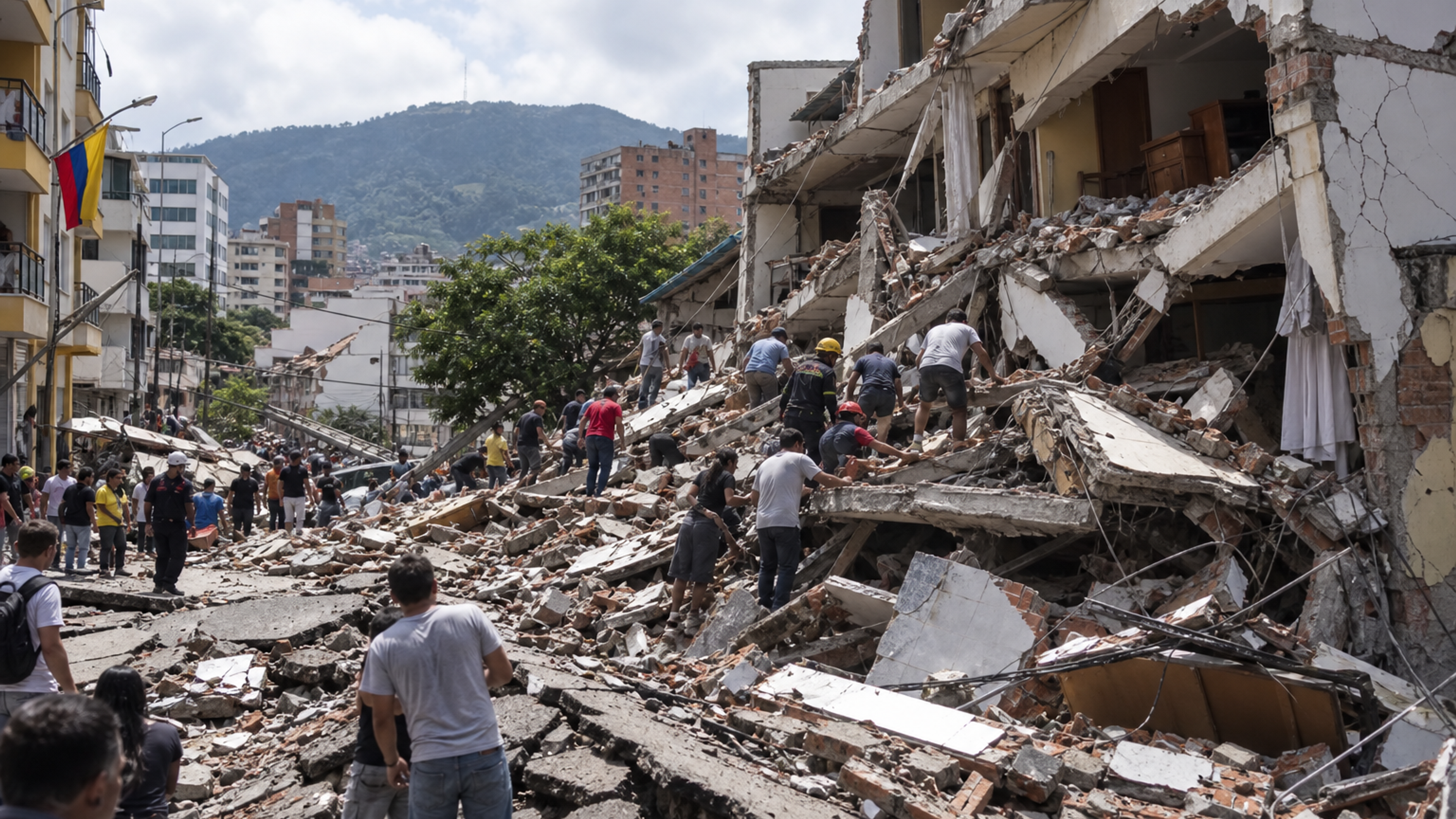

On Monday, August 10, 2026, the landscape of western Colombia was violently altered when a massive 7.4-magnitude earthquake struck the region. The seismic event triggered widespread destruction, reducing dozens of buildings to rubble, trapping residents, and forcing mass evacuations that stretched as far as the capital city of Bogota.
With search-and-rescue teams actively digging through debris in a desperate race against time, early reports indicate a severe humanitarian emergency unfolding across multiple departments.
According to reports from the U.S. Geological Survey (USGS) and Colombia’s Geological Service, the earthquake struck at a depth of 107 kilometers. The epicenter was located in San José Del Palmar, a municipality of approximately 4,800 residents in the Choco region, situated roughly 400 kilometers west of Bogota.
Colombia's Geological Service has officially categorized this as the "highest magnitude earthquake registered in Colombia in the last decade." The initial quake was quickly followed by two significant aftershocks measuring 2.8 and 4.8 in magnitude, complicating rescue efforts and keeping communities on high alert.
The seismic waves caused catastrophic structural failures across western Colombia. Colombia’s interior minister confirmed that more than 20 municipalities have been severely impacted.
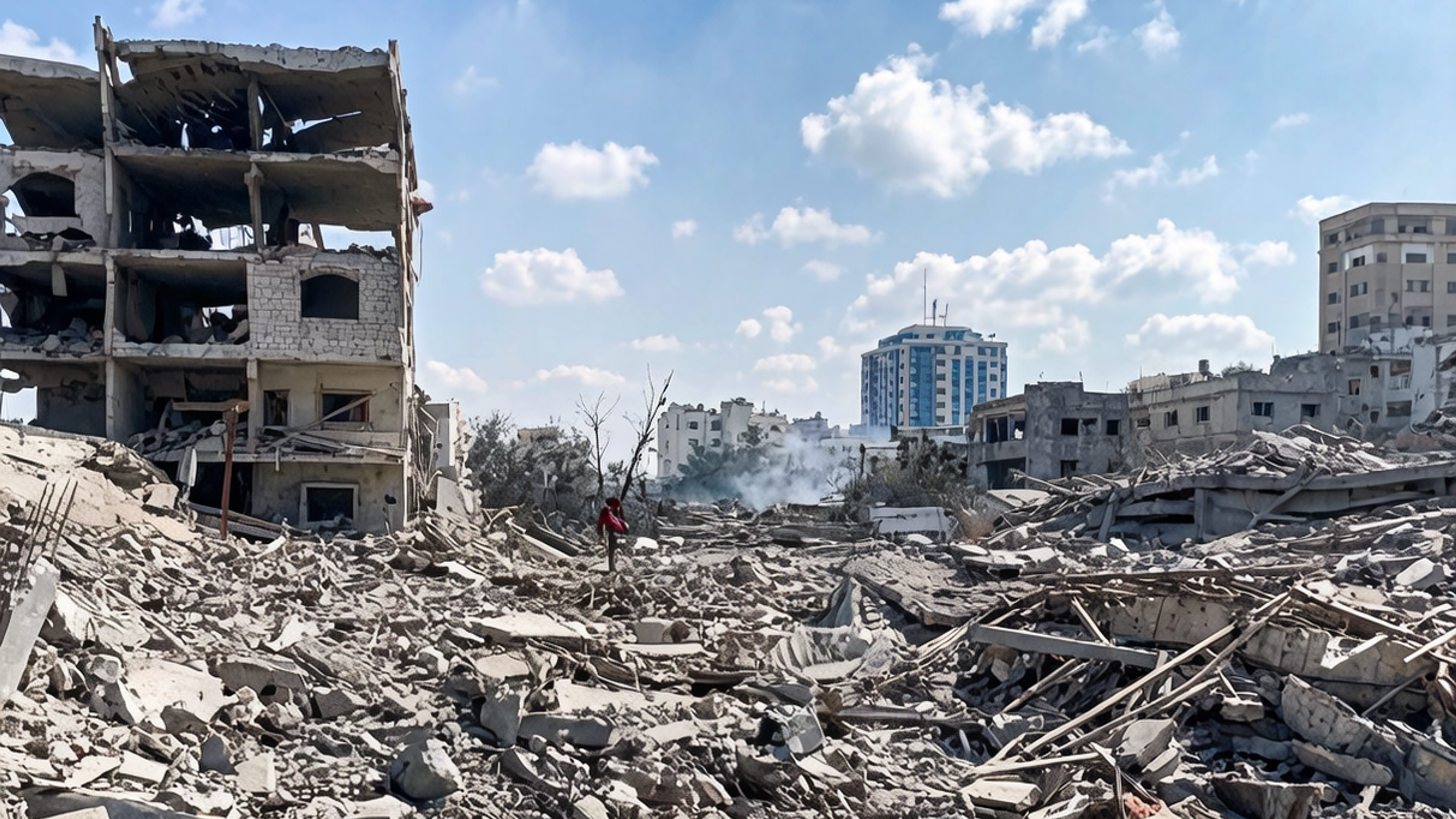
One month after catastrophic twin earthquakes struck Venezuela's northern coastline, the death toll has surpassed 5,300. With entire neighborhoods flattened and tens of thousands still missing, survivors are left searching for loved ones amidst the rubble. Discover the stories of those affected, the complexities of the recovery, and how global citizens can support verified relief efforts on the ground.
Pledge4Peace.org
July 27, 2026
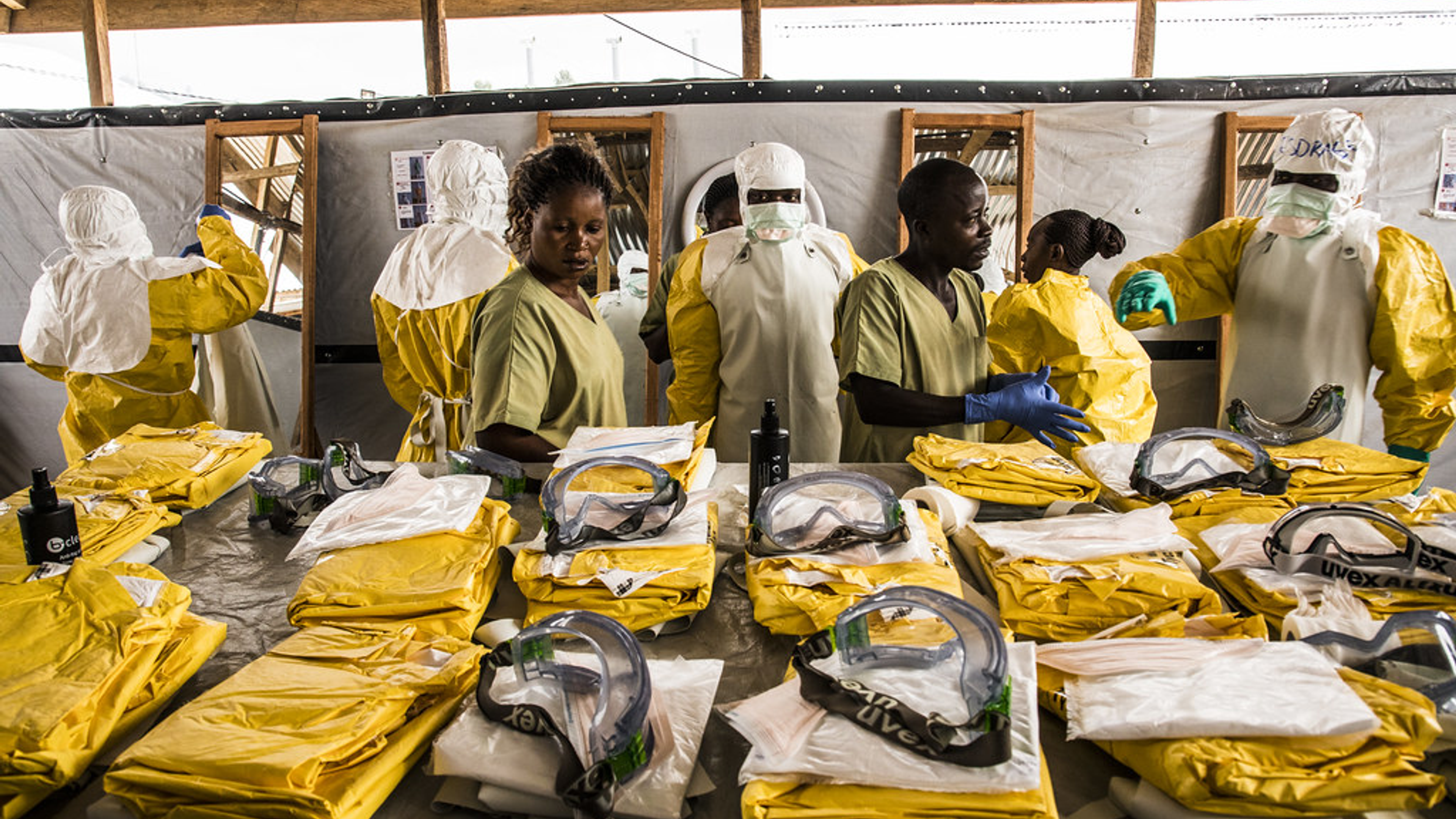
As the 2026 Ebola outbreak accelerates in the DRC, international focus has frequently prioritized domestic containment over localized mitigation. Understand the structural causes, from zoonotic spillover to systemic poverty, and learn how civil society can demand equitable health policies and support frontline humanitarian efforts.
As of the latest reports, at least 47 people have lost their lives. The casualties and structural damages are concentrated heavily in the following areas:
In response to the severe infrastructural damage, authorities were forced to suspend flights at multiple regional airports, including Manizales, Quibdo, Armenia, Cartago, Buenaventura, and Pereira.
The sheer force of the tremor left residents in a state of shock. Jorge Moncayo, a 64-year-old taxi driver in Cali, described seeing plumes of dust shoot up across the cityscape from his home in the hills as buildings gave way.
"My entire house shook. I've never lived through such a powerful earthquake."
— Jorge Moncayo, via The Associated Press*
The crisis poses an immediate, monumental test for Colombia's newly formed government. President Abelardo de la Espriella, who was inaugurated just three days prior to the disaster, announced that he is personally supervising the recovery efforts. He has directed the installation of a central emergency command center directly in San José del Palmar to coordinate the national response.
While small tremors, locally known as "temblores", are a common occurrence in central and western Colombia, earthquakes exceeding a magnitude of 6.0 are rare and historically devastating.
These compounding regional disasters highlight the urgent need for robust, international emergency response systems and upgraded structural resilience across South America.
When natural disasters of this magnitude strike, the immediate window for search, rescue, and medical intervention is crucial. The people of Colombia are facing immense loss, displacement, and the terrifying threat of aftershocks. They cannot navigate this recovery alone.
We urge global citizens to leverage their platforms and resources to assist the victims of the Colombia earthquake by directing support to verified organizations actively operating on the ground:
The road to recovery for western Colombia will be long, but through rapid, coordinated global solidarity, we can help deliver life-saving aid to those who need it most.
Stay Informed and Take Action: Subscribe to our newsletter to receive ongoing, factual updates about this crisis and other urgent global issues.
Furthermore, use your citizen mandate to advocate for systemic change by voting for global peace initiatives at pledge4peace.org/campaigns.
Your voice and your action are vital.
Pledge4Peace.org
June 13, 2026