Conflict is rising. Join the movement to create a peaceful future. Sign the Pledge

Conflict is rising. Join the movement to create a peaceful future. Sign the Pledge


There is something disquieting about the idea that a law governing slavery could still exist on the books in 2026. Not as an actively enforced law, and certainly not as a modern policy, but simply sitting there, formally unrepealed, in the archive of French legal history.
That was the staggering reality of the Code Noir (Black Code) until May 28, 2026, when France’s National Assembly finally voted to annul it. The margin was a decisive 254 to zero.
The Code Noir was signed by King Louis XIV in 1685. For centuries, it governed enslaved people in France’s colonies. The document was a blueprint for institutionalized brutality, classifying human beings as "moveable goods" that could be inherited, mandating forced Catholic conversion, and prescribing barbaric punishments, such as ear mutilation and branding, for escape attempts.
France officially abolished slavery in 1848. In 2001, it became the first country to pass a law declaring the slave trade a crime against humanity. Yet, in all that time, through centuries of legal reform, nobody formally touched the original 1685 law.
While last week's unanimous vote closes a massive legal gap, it has opened a much louder conversation about historical accountability, systemic racism, and the undeniable need for material reparations.
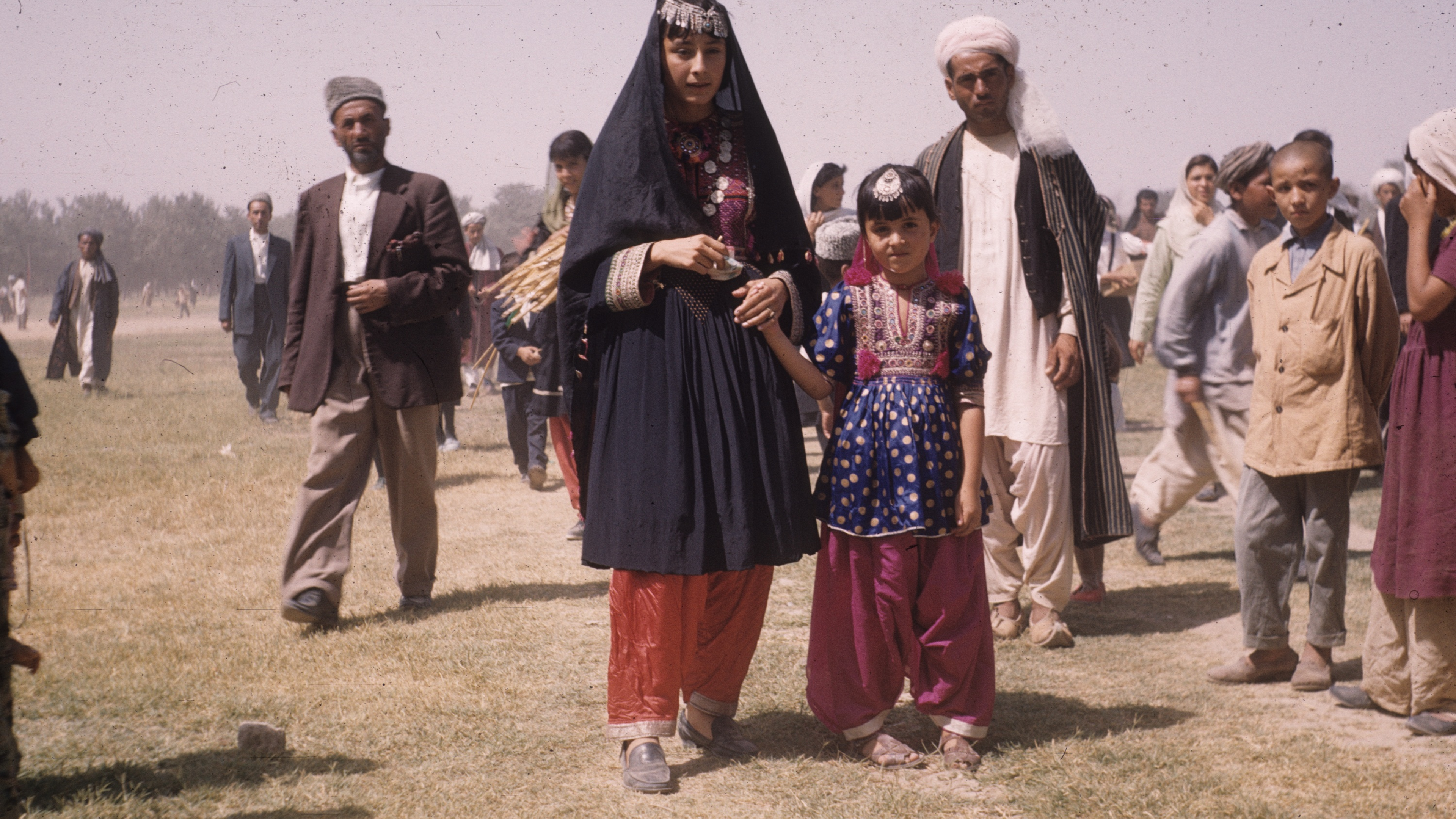
In remote Afghan villages, community-led Family Health Houses are offering life-saving care to mothers and children. Despite severe restrictions and a deteriorating healthcare system, Afghan women, acting as community midwives, are utilizing digital tools and local clinics to ensure safe childbirth. This article highlights the essential work of the UNFPA, AADA, and the Maternity Foundation in empowering these frontline workers and outlines how the international community can support their mission.
Pledge4Peace.org
September 23, 2026
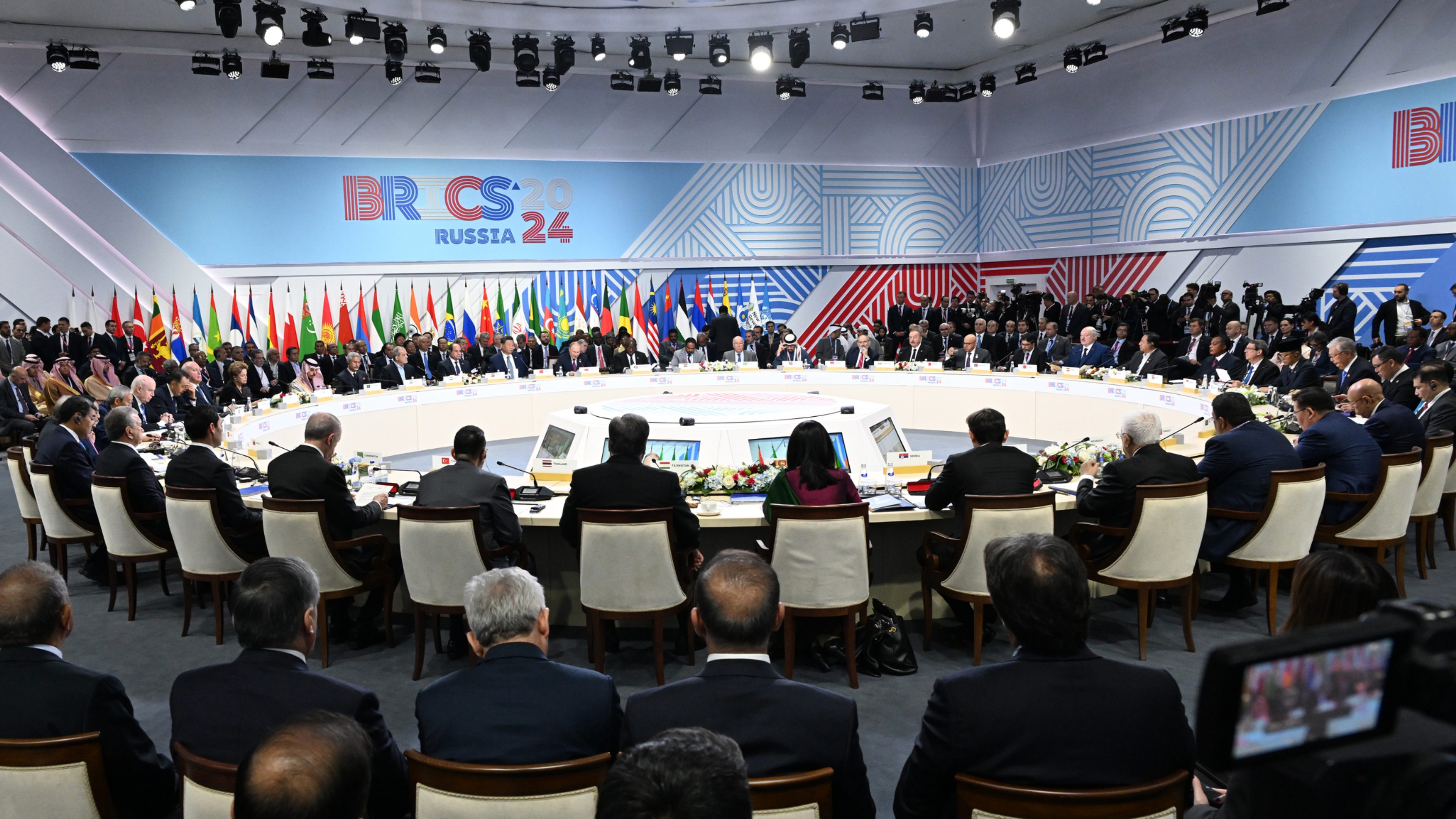
As the 18th BRICS Summit begins in New Delhi, leaders from the expanded 10-nation bloc face the monumental task of addressing global instability, particularly the escalating US-Iran conflict. Amid high-stakes diplomatic talks, Pledge4Peace urges citizens to demand peaceful resolutions.
The unanimous National Assembly vote is a critical first step. The Senate still needs to approve the repeal before it becomes official law, a move supported by President Emmanuel Macron the week prior to the vote.
For the lawmakers representing France’s overseas territories, the moment carried profound emotional weight. Max Mathiasin, the Guadeloupe lawmaker who championed the bill, wept openly in the chamber as his colleagues raised their hands to vote.
Steevy Gustave, a Greens lawmaker whose father was born in Martinique, captured the historical gravity of the moment from the assembly floor:
“We are not descendants of slaves. We are descendants of human beings who were born free, then reduced to slavery.”
The language matters. The vote was framed as highly symbolic from the start, but opponents of that framing were not quiet about its limitations. Repealing an obsolete, centuries-old law is relatively easy for a modern government. Addressing the generational economic devastation it caused is not.
France was Europe’s third-largest slave trader, historically trailing only Britain and Portugal. Between the 17th and 19th centuries, more than one million Africans were transported into slavery on French ships, the vast majority bound for brutal Caribbean plantations.
For many activists, the annulment of the Code Noir is a matter of record that fails to address modern realities. Activist Dieudonne Boutrin stated plainly that the repeal “changes nothing. Black people are still looked at the same way.” He, along with numerous civil rights organizations, has called for a formal reparations program to address systemic racism and educational inequity.
Serge Letchimy, an official from Martinique, pushed the discourse further. Citing the “lasting historical, cultural, social, economic, and psychological harm” inflicted by colonial rule, he pointed toward a comprehensive 10-point plan drafted by Caribbean nations (CARICOM). This framework demands actionable restitution, including massive healthcare investment, technology transfers, and total debt cancellation for developing nations.
Whenever the topic of French reparations arises, Haiti stands as the clearest and most devastating case study of colonial extortion.
After staging a successful, historic rebellion and winning its independence in 1804, Haiti was subjected to a crippling ultimatum. In 1825, under the threat of war and a naval blockade, France forced the new nation to pay hundreds of millions of francs as "reparations" to its former colonizers for the loss of their "property," the enslaved labor force.
To survive, Haiti was forced to take out exorbitant, high-interest loans from international banks just to cover the extortion payments. The nation spent over a century financially crippled by this unjust burden, only managing to clear the debt in 1952. The billions of dollars siphoned out of Haiti’s economy directly robbed the country of the ability to build schools, hospitals, and basic infrastructure, a historical theft that continues to shape its current geopolitical struggles.

The unanimous vote to repeal the Code Noir was not nothing. It officially closed a legal loophole of atrocity that should have been sealed in 1848. But the lawmakers who wept in the chamber and the activists rallying outside appear to be fighting for two different things: one is fighting to correct the historical record, while the other is fighting to repair the unresolved, bleeding wounds of the present.
A nation cannot simply erase its archives and declare peace. True justice requires accountability, structural reform, and an active commitment to repairing the damage of the past.
As global citizens, we cannot wait centuries for institutions to eventually do the right thing. The protection of human rights and the pursuit of international peace require undeniable public pressure. If we want to dismantle systemic injustice and end ongoing global conflicts, we must issue a mandate that politicians cannot ignore.
Your voice is your power. Step off the sidelines and take active steps to protect human rights today. Join thousands of global citizens in demanding justice, accountability, and the resolution of global conflicts.
Contribute to global peace and vote on our active human rights campaigns today at pledge4peace.org/campaigns
Pledge4Peace.org
September 18, 2026