Conflict is rising. Join the movement to create a peaceful future. Sign the Pledge

Conflict is rising. Join the movement to create a peaceful future. Sign the Pledge
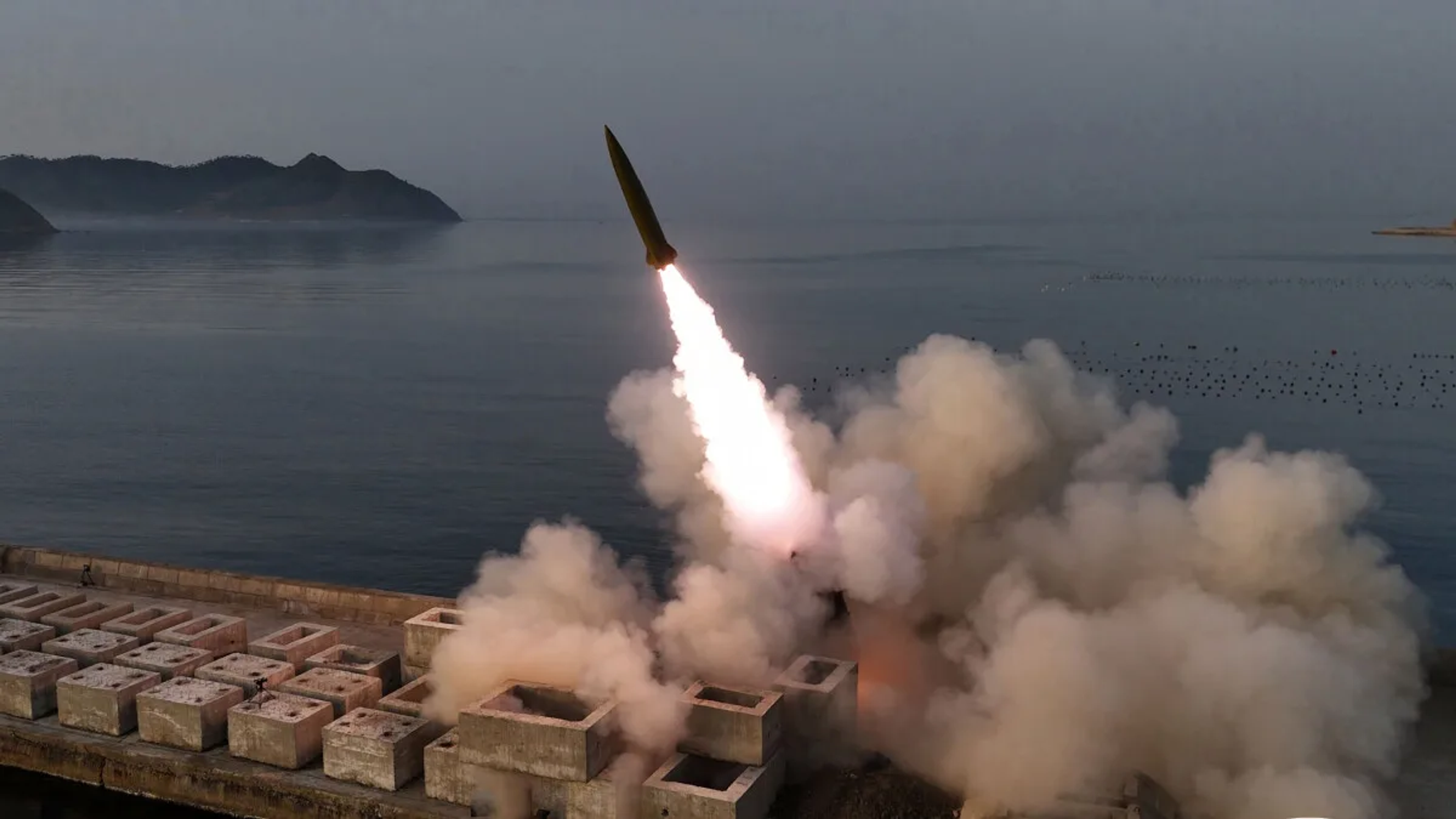

South Korea has firmly condemned North Korea’s recent launch of more than 10 short-range ballistic missiles. The barrage was fired from the Pyongyang area toward the sea east of the Korean Peninsula. In response, South Korea’s presidential office convened an emergency security meeting on Thursday with top defense ministry and military officials to assess the threat.
“The ballistic missile launch is a grave act that violates UN Security Council resolutions,” Seoul stated in an official release, urgently calling on North Korea to immediately halt any further missile launches.
The timing of these missile launches is highly significant. They coincided with the Ulchi Freedom Shield, an annual joint military exercise conducted by South Korea and the United States. Historically, Pyongyang has vehemently condemned these joint exercises, viewing them as hostile rehearsals for an invasion, and frequently stages missile tests around the dates of the drills.
This year, however, the geopolitical dynamics shifted dramatically. US President Donald Trump ordered a substantial reduction in the drills, aiming to court Pyongyang and revive diplomacy with North Korean leader Kim Jong Un. Consequently, the exercises were cut short and are now scheduled to end on Friday. Trump's sudden focus on Kim Jong Un and the scaling back of joint US-South Korean military drills have alarmed Asian allies, shaking the foundations of a 72-year alliance. Furthermore, it has sparked widespread speculation that the US president is actively seeking a foreign policy win as the potential for a wider conflict with Iran stalls.
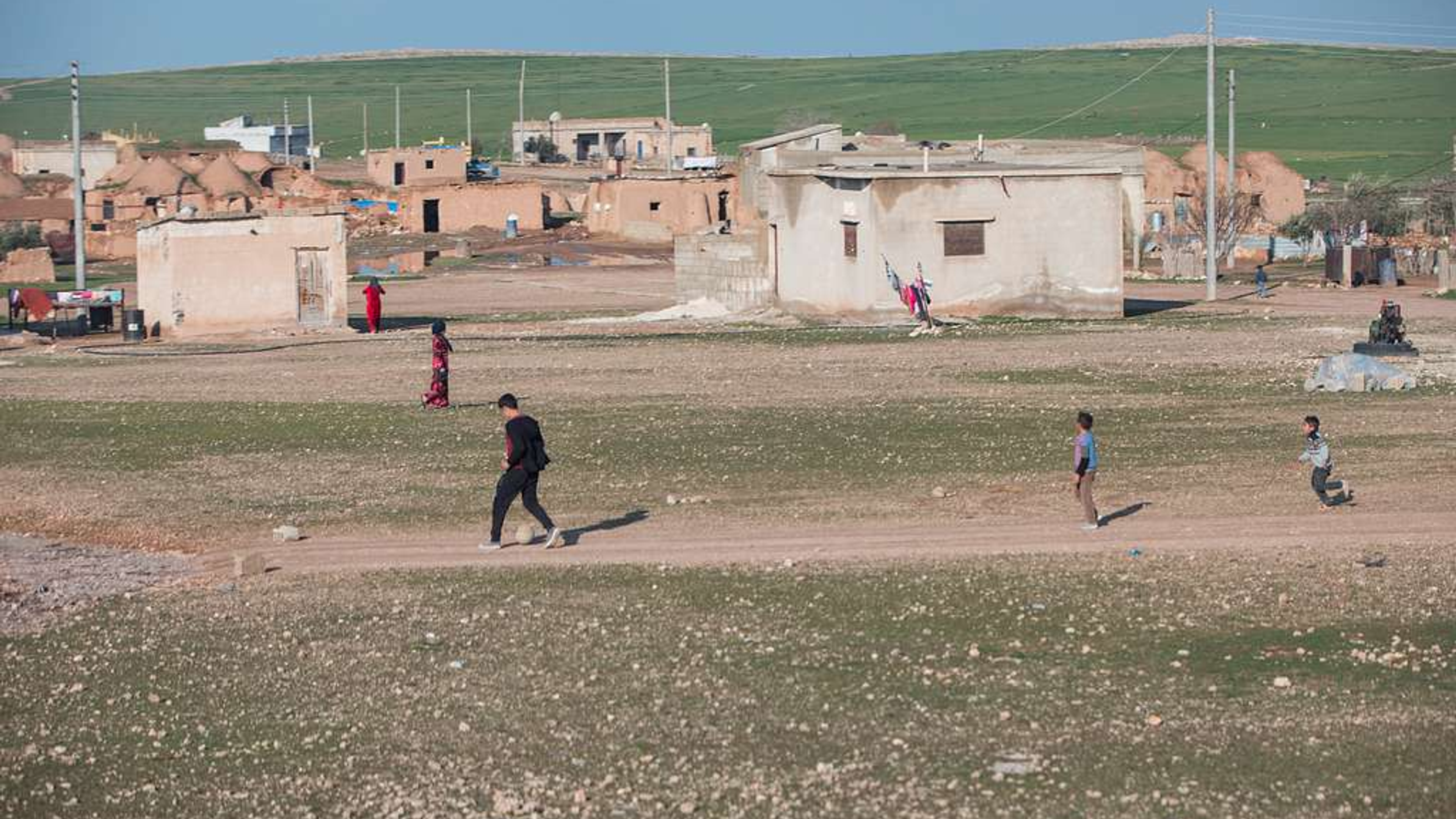
In war, children lose control over their lives, but play can bring some of that back. Across the globe, nearly 50 million children have been displaced by conflict and violence. Innovative play interventions and psychosocial support are critical for trauma recovery. However, the true mandate is for everyday citizens to demand an end to warfare through active global peace campaigns.
Pledge4Peace.org
September 17, 2026
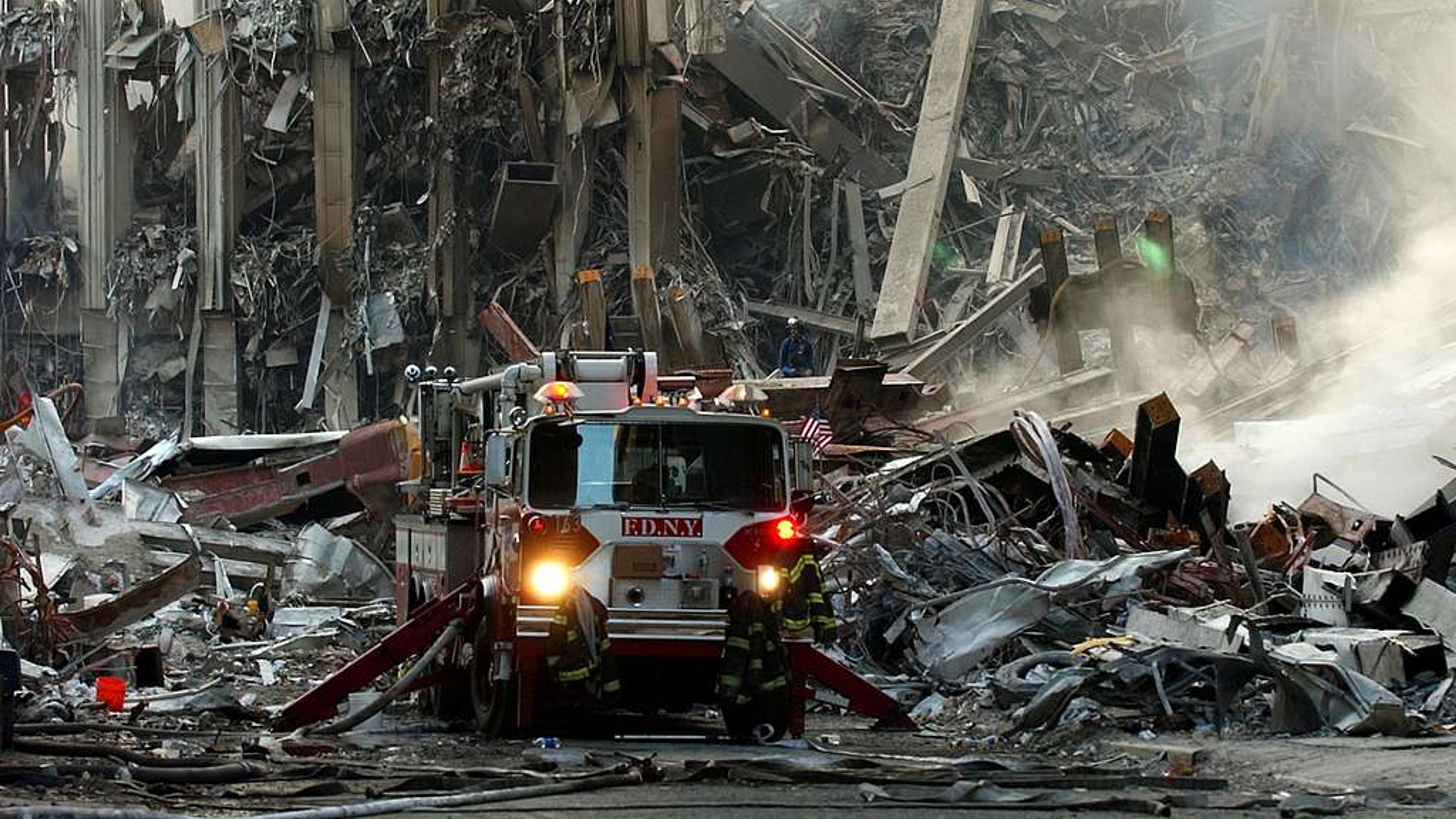
The September 11 attacks forever changed the United States, leaving a legacy of profound loss but also incredible heroism and national unity. By honoring the 2,977 victims and the brave first responders who made the ultimate sacrifice, we are reminded of our shared humanity. Today, Pledge4Peace calls upon that same spirit of solidarity to bridge divides and bring peace to global conflicts.
The military threat posed by the recent launches is substantial. South Korea’s Joint Chiefs of Staff reported that the North Korean missiles flew approximately 300 kilometers (186 miles) toward the sea.
In a parliamentary address, South Korean Defense Minister Ahn Gyu-back told lawmakers that the short-range ballistic missiles are believed to be 600 mm multiple rocket launchers. He added that Seoul has been closely tracking these systems because they could be potentially deployed near its heavily fortified border with the South. Pyongyang has previously described this 600 mm system, known externally as the KN-25, as a platform capable of delivering tactical nuclear warheads.
Adding to the gravity of the situation, Ahn stated earlier in the day that South Korea estimates North Korea possesses between 80 and 120 nuclear warheads. This alarming figure underscores the severe and growing nuclear capabilities of Pyongyang, emphasizing the high stakes of any diplomatic or military miscalculation in the region.
Despite Trump's conciliatory gesture of reducing the military exercises, Pyongyang's response has been deeply critical. The launch came after Kim Yo Jong, the powerful sister of leader Kim Jong Un, publicly condemned the US-South Korea military drills on Wednesday.
Hours after the missile launches, Kim Yo Jong described Trump's decision as “an evident disaster brought by the unrealistic and anachronistic security outlook” pursued by Seoul, arguing that the South maintains a “master-and-servant” relationship with the United States. Although Trump mentioned on Monday that he had received a response from Kim Jong Un after scaling back the exercises, Kim Yo Jong stated on Wednesday that she was unaware of any recent communications between the two leaders, maintaining that the "hostile policy" of the US towards North Korea had not changed.
The geopolitical ripples of these events have drawn varied reactions from other major world powers. Russian Foreign Ministry spokeswoman Maria Zakharova stated on Thursday that Moscow “can only welcome” the US decision to cut back its participation in military exercises with South Korea. Meanwhile, Chinese Foreign Minister Wang Yi, who visited Seoul this week, urged South Korea not to take sides between Beijing and Washington. He asserted that the US should abandon its “hostile” policy toward North Korea to ease tensions on the Korean Peninsula.
The sudden policy shifts and ongoing military displays have left the Korean Peninsula as one of the world's most precarious geopolitical flashpoints.
true regional stability cannot be achieved through an endless cycle of missile launches and disjointed military adjustments. It requires a committed, transparent, and bilateral approach to diplomacy that respects the security and humanity of all citizens in the region.
We must establish peace for both sides and break the cycle of escalation. We call on global citizens to create awareness about this critical issue and share this information to encourage peace. Do not wait for closed-door politics to determine the future of international security.
Join the movement and take action through our global initiatives. Vote for peace and support diplomatic solutions today at pledge4peace.org/campaigns.
Pledge4Peace.org
September 11, 2026