Conflict is rising. Join the movement to create a peaceful future. Sign the Pledge

Conflict is rising. Join the movement to create a peaceful future. Sign the Pledge
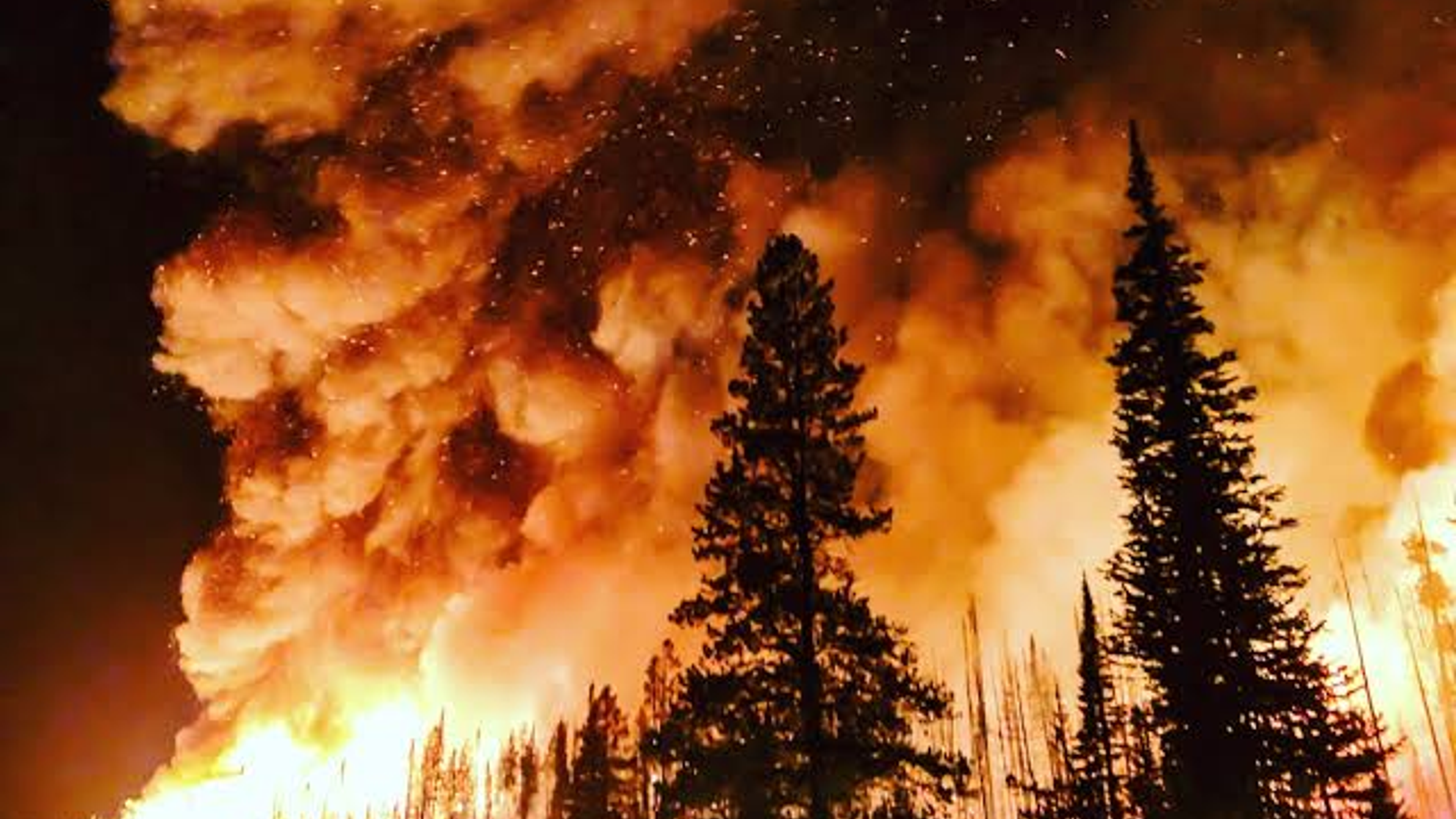

Current State: A suffocating blanket of toxic Indonesia haze is sweeping across Southeast Asia, severely impacting Malaysia, Singapore, and the Philippines. Fueled by a potent Super El Niño exacerbating severe drought, weeks-long wildfires across Sumatra and Indonesian Borneo have triggered "acutely unhealthy" air quality levels reaching over 15 times the WHO’s recommended limit. Between July and August 2026, the Indonesian Health Ministry recorded over 50,000 respiratory infections linked to the fires, including more than 12,000 cases in children under five.
The Pivot: Resolving the crisis requires addressing structural land-use practices. Industrial timber estates and oil palm plantations have drained the region's ancient peatlands, transforming natural carbon sinks into highly flammable carbon "bombs." Unlike traditional, community-managed farming, these large-scale fires cannot be easily controlled, demanding corporate accountability and a shift away from slash-and-burn land clearing.
The Mandate: Environmental justice is inseparable from global peace. Stopping corporate environmental destruction, protecting vulnerable civilian populations from transboundary air pollution, and restoring critical ecosystems are fundamental to ensuring planetary stability. Global citizens must advocate for strict environmental governance, support frontline relief efforts, and build a unified mandate to prevent future ecological catastrophes.
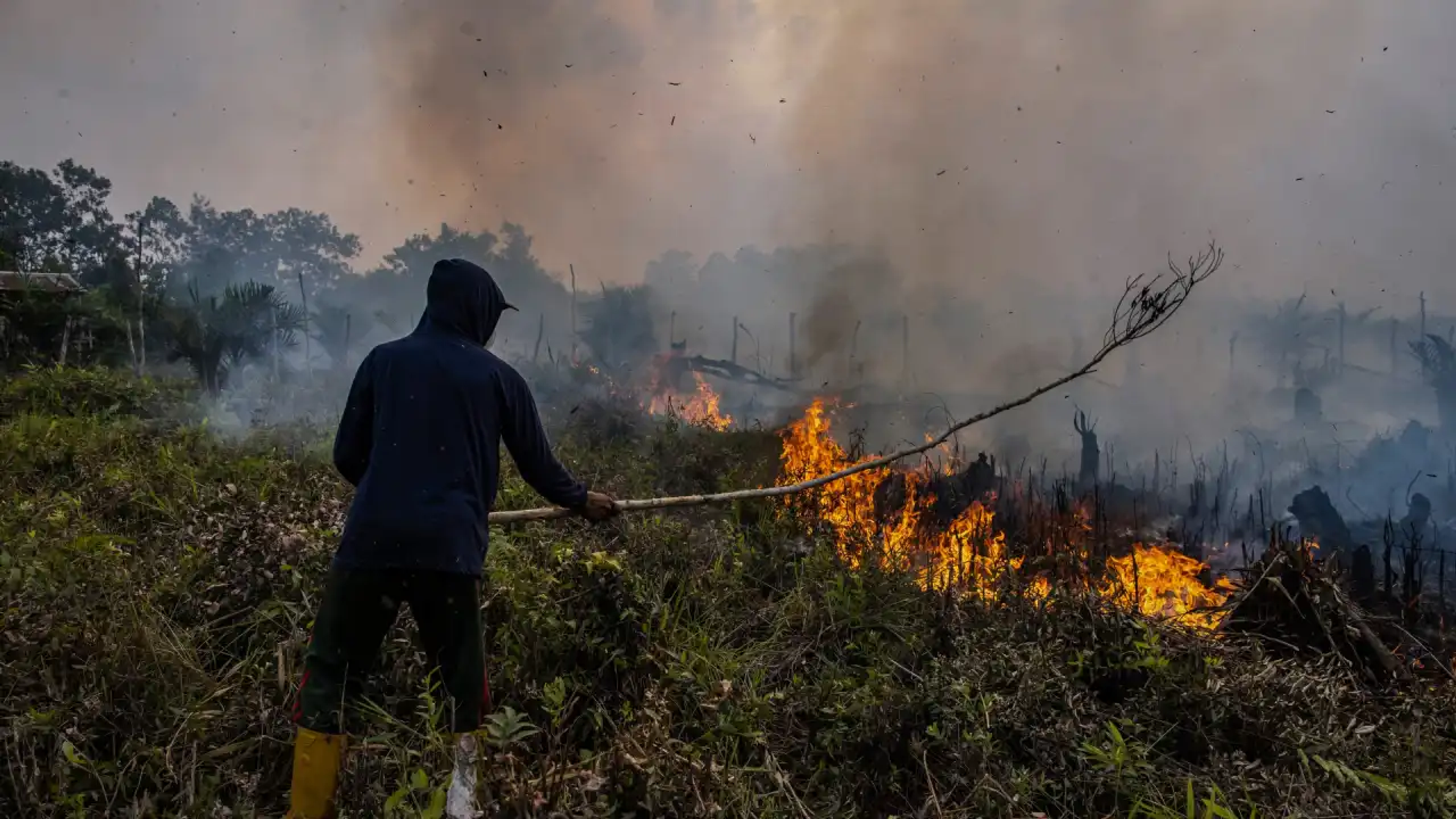
A blanket of toxic haze is enveloping parts of Indonesia and spreading rapidly into Malaysia, Singapore, and the Philippines as weeks-long wildfires continue to burn. Millions of people across large swathes of Southeast Asia have been exposed to the smog, causing a massive public health emergency.
The statistics paint a dire picture. Between July and August, Indonesia's Health Ministry recorded over 50,000 cases of acute respiratory infections linked directly to the land and forest fires. Heartbreakingly, more than 12,000 of those cases involve vulnerable children under the age of five. The Southeast Asia air pollution has triggered rising cases of asthma and conjunctivitis in Malaysia as the hazardous smoke continuously drifts across borders.
The crisis is acutely felt by local communities trapped on the frontlines. Rizma Nur Fatimah, a 19-year-old teaching assistant at a school in Banjarbaru, South Kalimantan, told the BBC that the smog in her classroom had become so thick "you couldn't even see your own feet."
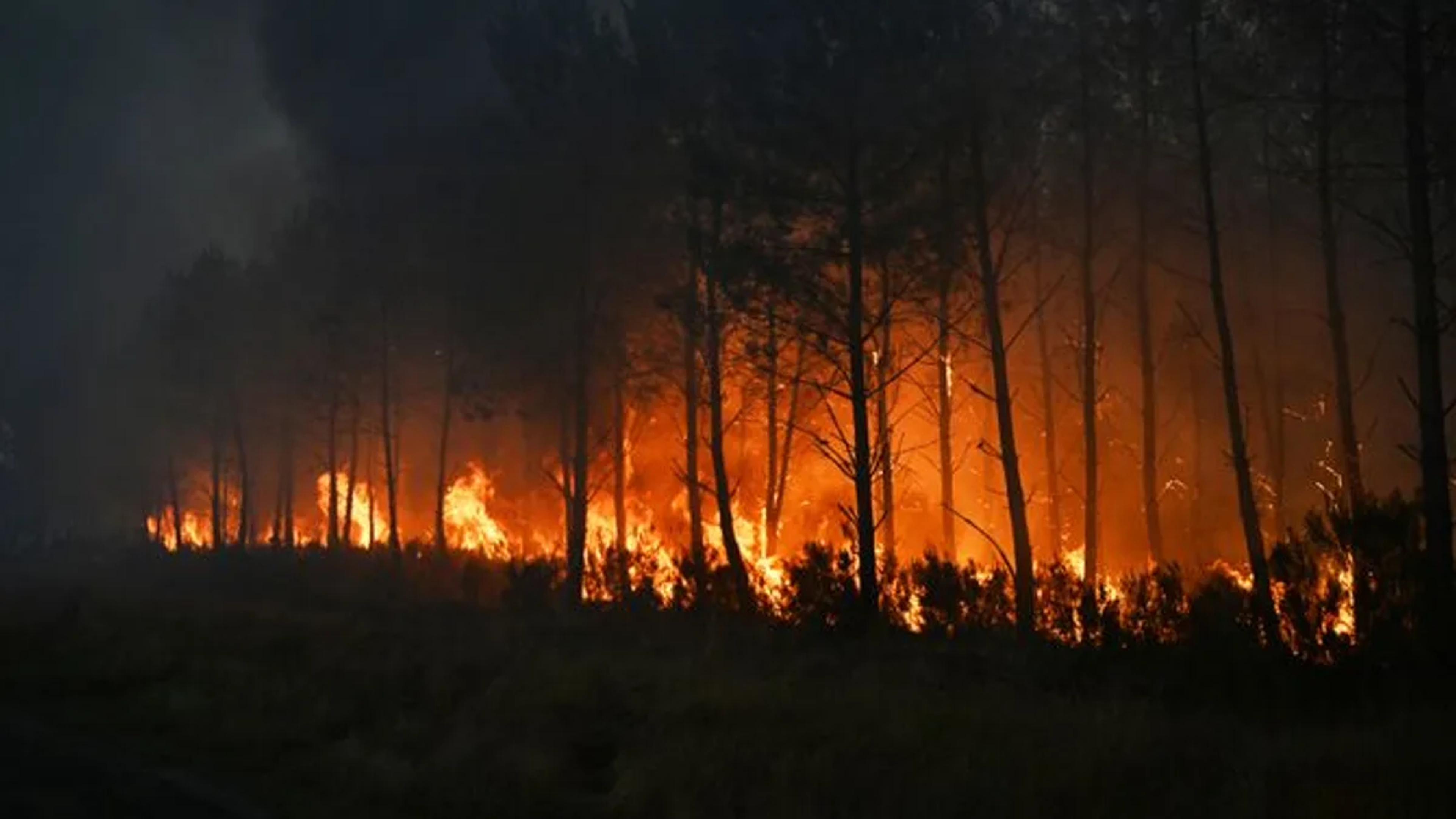
As the UK faces record-breaking wildfire seasons, leading experts argue that preventing ignitions is no longer enough. By restoring degraded peatlands, reintroducing natural herbivores, and expanding native broadleaf woodlands, Britain can deploy climate-smart rewilding to naturally halt the spread of devastating landscape fires.
Pledge4Peace.org
August 29, 2026
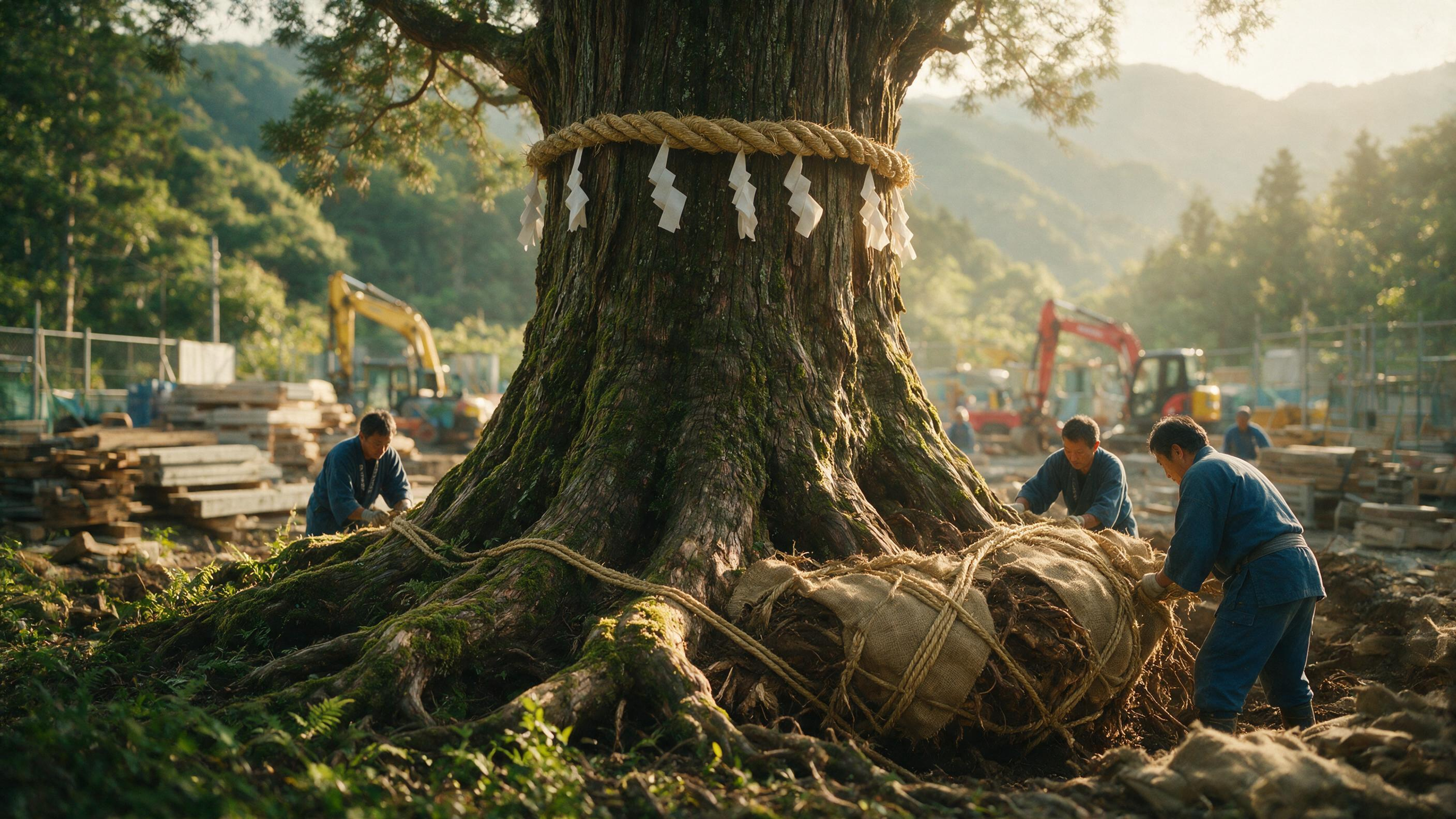
When trees stand in the path of development, they usually face the chainsaw. But in Japan, arborists use a centuries-old practice called nemawashi to painstakingly relocate massive trees. Blending horticultural mastery with modern engineering, this technique offers a blueprint for sustainable global development and profound environmental respect.
"Even inside the house, with everything closed, the haze still got in," she said. "We've been living with this since I was born. It's the same every year, so we've almost become resigned to it. But this year is worse."
Misbah, a 23-year-old mother from the nearby Pengayuan village, shared a similar harrowing account, noting her three-year-old daughter had developed "a cough, a sore throat and a runny nose" during the prolonged haze.
The smoke knows no borders. Some 1,300 kilometers away, on the Philippine island of Palawan, residents have reported similar symptoms. "We are now experiencing mild headaches," said Dr. Precious Bañas-Melad. "My cousin who isn't allergic to anything started developing allergies. My husband is the first one who had itchy eyes and throat."
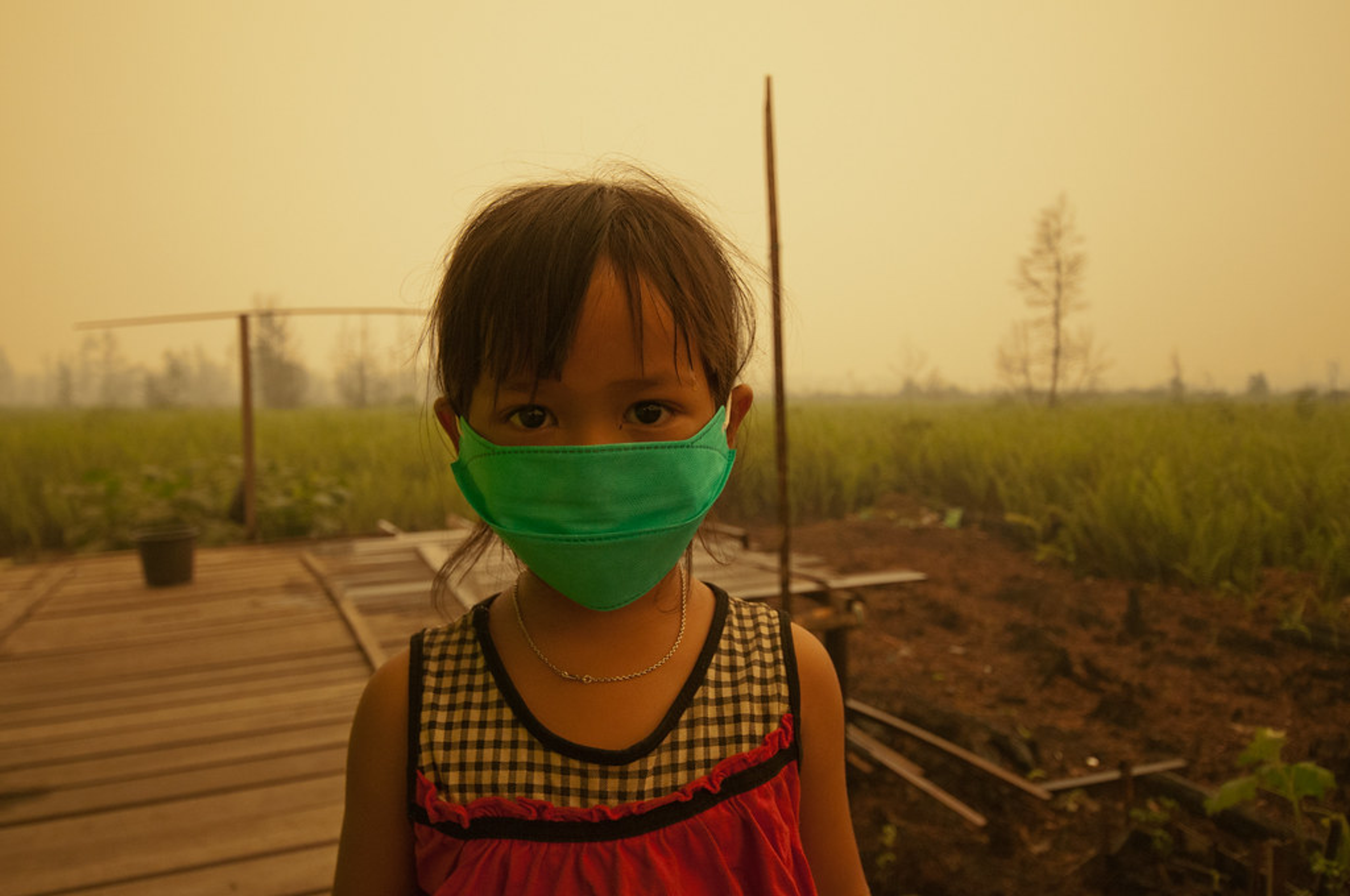
Indonesia’s forest and peatland fires are not a new phenomenon. Experts confirm that the crisis is deeply rooted in decades of systemic land-use change, dating back to the Suharto era, when vast areas of virgin rainforest and peatland in Kalimantan were aggressively opened for logging, plantations, and large-scale development projects.
Today, large-scale fires are frequently associated with the rapid expansion of industrial plantations and commercial land use. Environmental groups, researchers, and government investigations have repeatedly alleged that some companies utilize fire as a cheap and highly effective method to clear vast tracts of land.
While the drought conditions help fires spread rapidly, the severity of the Indonesia haze is fundamentally linked to human activity. Drained peatlands, industrial timber estates, and expansive oil palm plantations leave the landscape far more vulnerable to burning, leading to recurring fires in the exact same areas year after year. Unlike traditional farming practices, which are small-scale, community-managed, and closely monitored, fires linked to large-scale land development can be nearly impossible to control, inflicting environmental and public health impacts on a catastrophic scale.
What makes the Kalimantan peatland fires particularly terrifying is that they are burning through one of the world's largest tropical peatland ecosystems.
Under normal conditions, these pristine peatlands serve as gigantic carbon reservoirs. However, under the abnormal conditions currently hitting the region, they become ticking carbon "bombs."
"Peatlands are incredibly effective carbon stores because their waterlogged conditions slow decomposition, allowing carbon to accumulate underground for thousands of years," explains Dr. Nisa Novita, a peatland researcher at the Indonesian conservation NGO Yayasan Konservasi Alam Nusantara. "But this also means they can become a 'carbon bomb' when they are drained or burned, because that carbon can be rapidly released into the atmosphere."
The current Super El Niño wildfires are severely escalating the threat. Last year, without the presence of El Niño, forest fires in Indonesia torched approximately 359,000 hectares. Professor Bambang Hero Saharjo, a forest fire forensics expert from Institut Pertanian Bogor University, cited research indicating that this year's extreme El Niño could burn an area as large as 11 million hectares. This would put the devastation on par with Indonesia's worst wildfire seasons in history, which occurred between 1997 and 1998.
Earlier this week, Indonesia's forestry minister Raja Juli Antoni told reporters that the battle to extinguish the current wildfires was entering its most critical phase. "Our problems are not over. September is the peak of El Niño," he said. "September is the main fight for us."
When an environmental and humanitarian crisis of this magnitude occurs, global citizens often ask how to help haze victims. Resolving the crisis requires active support for frontline organizations conducting rescue operations and environmental conservation. Here are verified, credible organizations and direct routes where global citizens can donate, volunteer, or advocate:
1. Provide Emergency Health Relief Indonesian Red Cross (Palang Merah Indonesia - PMI): The PMI is actively deploying emergency response teams to regions blanketed by the toxic smog. They provide critical interventions such as distributing N95 masks, establishing clean-air oxygen houses for vulnerable populations (particularly children), and deploying mobile health clinics to treat severe respiratory infections in Kalimantan and Sumatra.
Take Action: Your financial support can directly fund the purchase of medical oxygen, masks, and deployment costs for mobile health clinics saving lives on the ground. Donate here>>
2. Protect Endangered Wildlife Borneo Orangutan Survival Foundation (BOSF): As the Super El Niño wildfires ravage critical habitats, critically endangered orangutans are losing their homes and their lives to the smoke and flames. BOSF operates on the frontlines, working alongside local firefighting units to combat peatland fires near conservation areas and physically rescuing trapped wildlife.
Take Action: Donate to fund the BOSF fire response teams, provide medical care for smoke-inhalation victims at their rehabilitation centers, or volunteer to support their global advocacy campaigns. Get Involved>>
3. Restore Peatlands to Prevent Future Fires Yayasan Konservasi Alam Nusantara (YKAN): To stop the recurring Kalimantan peatland fires, the underlying ecosystems must be restored. YKAN focuses on long-term ecological solutions, including the vital work of rewetting drained peatlands, promoting community-led forest conservation, and establishing sustainable agriculture practices that do not rely on slash-and-burn methods. Take Action: Funding YKAN helps build the natural resilience required to stop the landscape from igniting during the next drought season. Include Your Support>>
Environmental destruction, unregulated industrial exploitation, and climate disasters are major destabilizing forces that threaten global peace and human security. True stability requires holding bad actors accountable and demanding that human lives be prioritized over short-term commercial gain. At Pledge4Peace, everyday citizens are not waiting for global leaders to act. We must build an undeniable mandate for a diplomatic resolution that guarantees environmental protections and secures unhindered humanitarian access.
Take Action: Stand with the global movement for environmental peacebuilding. Swipe off the sidelines, use your voice to advocate for ecological restoration and climate resilience. Take action today and cast your citizen mandate on our active global initiatives at pledge4peace.org/campaigns
Pledge4Peace.org
July 29, 2026