Conflict is rising. Join the movement to create a peaceful future. Sign the Pledge

Conflict is rising. Join the movement to create a peaceful future. Sign the Pledge
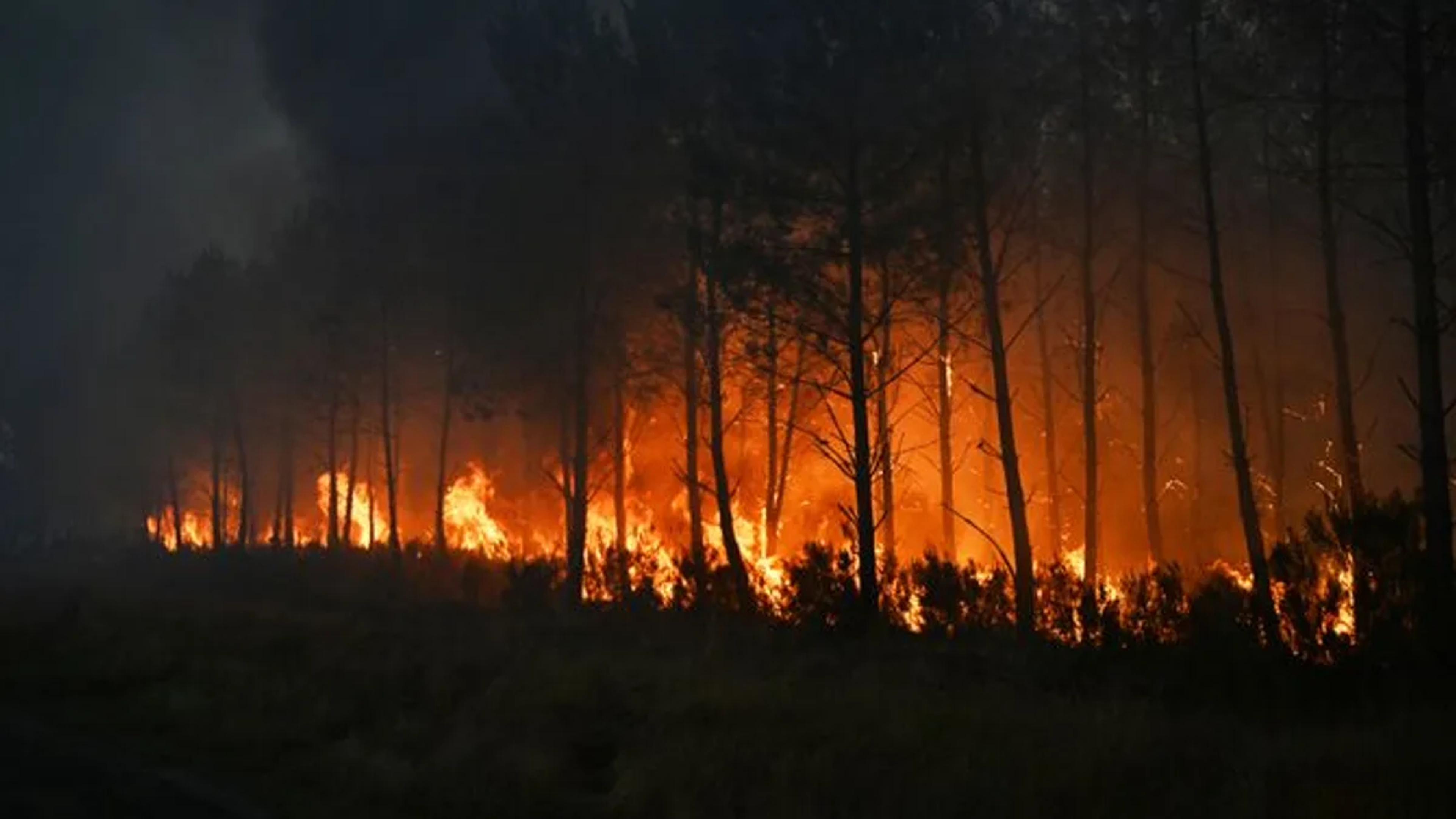

Fire is a natural component of many global ecosystems, but in Britain, almost all wildfires are started by human activity, whether through careless discarding of barbecues, agricultural burning, or arson. However, whether a small spark fizzles out or evolves into a catastrophic blaze depends entirely on the landscape it burns through.
Recent statistics underscore a growing emergency. According to data from environmental organizations, 2025 was a record-breaking year for the UK, with nearly 1,000 wildfires recorded in England and Wales, alongside 250 in Scotland. The trend has continued aggressively into 2026. As climate change brings hotter, drier, and more unpredictable weather, the traditional strategy of merely preventing ignitions is proving insufficient. The landscape itself must be transformed to resist the flames.
The sweeping, purple, treeless moors of Britain are often romanticized as untouched nature. In Jane Eyre, Charlotte Brontë famously described the purple moors as a “wilderness of heath.” Yet, this iconic environment is largely artificial, the result of centuries of clearance, aggressive agricultural drainage, pollution, overgrazing, and rotational burning.
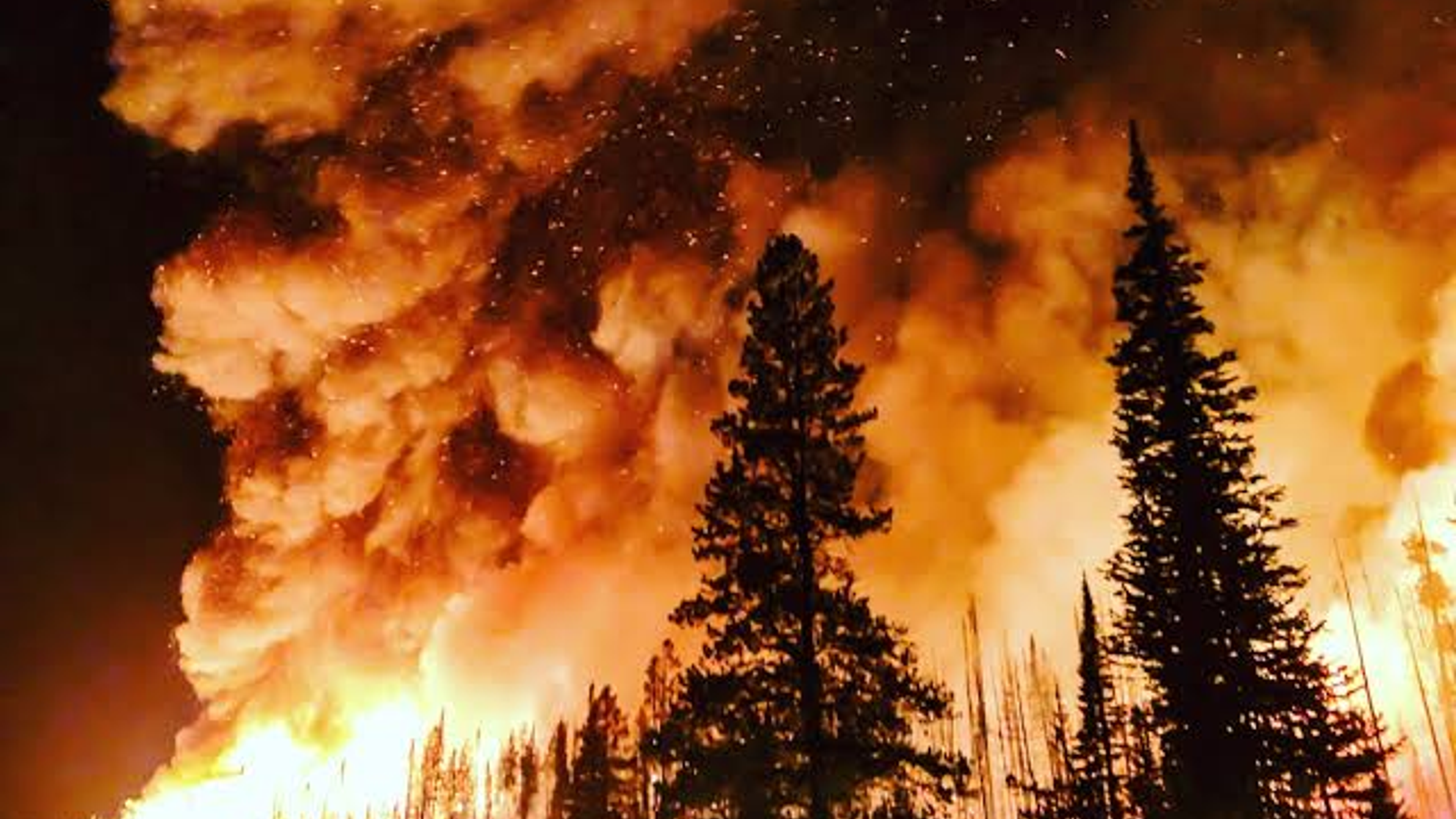
As weeks-long wildfires rage across Sumatra and Indonesian Borneo, fueled by a Super El Niño, a catastrophic toxic haze is sickening millions across Southeast Asia. With peatland ecosystems acting as ticking "carbon bombs," local residents and wildlife face unprecedented danger. Discover the root causes of this environmental crisis and explore verified ways you can take action.
Pledge4Peace.org
September 14, 2026
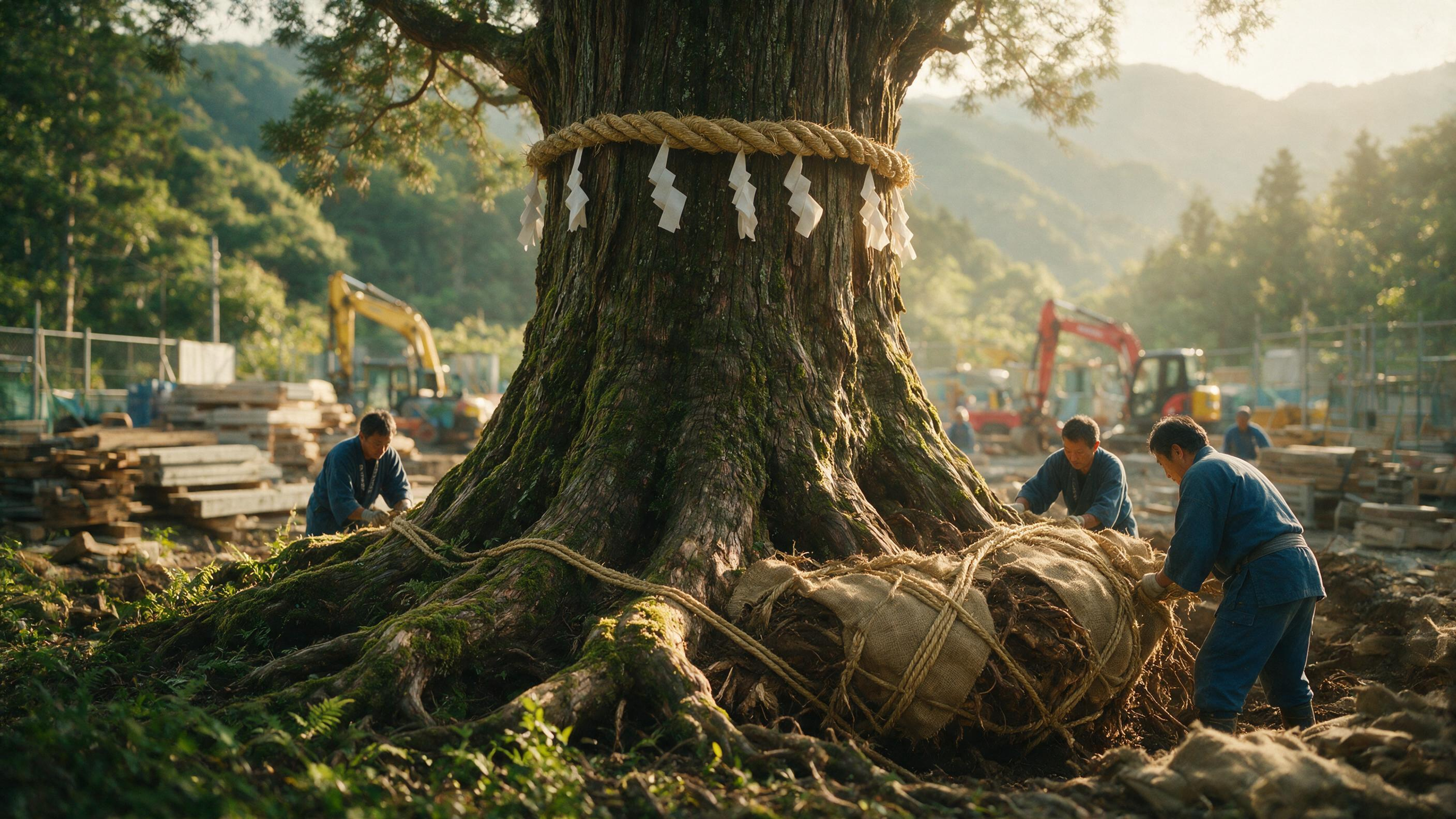
When trees stand in the path of development, they usually face the chainsaw. But in Japan, arborists use a centuries-old practice called nemawashi to painstakingly relocate massive trees. Blending horticultural mastery with modern engineering, this technique offers a blueprint for sustainable global development and profound environmental respect.
Historical peat records from Keighley Moor in West Yorkshire reveal a much wetter landscape that existed for over a millennium, abundant in peat-forming Sphagnum moss. It is only over the past 150 years that rotational burning and drainage have manufactured today’s extensive, dry, heather-dominated environment.
This ecological manipulation has come at a steep cost. Today, over 75% of the UK’s historic wetlands, bogs, and fens have been destroyed. Data indicates that nearly 80% of England’s remaining peatlands are dry and degraded, with just 1% dominated by natural water-retaining species. When exceptional droughts strike, dry heather acts as a highly flammable fuse. If the fire reaches the parched peat below, it burns deep underground, releasing massive amounts of stored carbon into the atmosphere and becoming notoriously difficult for firefighters to extinguish.
To rebuild nature's fire defenses, the immediate priority is rewetting the land. Rewilding experts emphasize that this is not mere land abandonment, but a calculated intervention. Blocking artificial drainage ditches, covering bare peat, and reintroducing Sphagnum moss can drastically reduce deep peat combustion.
Sphagnum acts as the great ecosystem engineer of the bog, capable of holding up to 20 times its weight in water. Research analyzing a severe 2018 wildfire on Saddleworth Moor near Manchester demonstrated this effect clearly. While the fire ravaged 1,000 hectares of dry, heather-dominated land, wetter gullies and areas managed by the RSPB for blanket bog restoration successfully acted as natural firebreaks, remaining largely undamaged.
This is supported by international evidence. A landmark 2016 study examining managed peatlands in Canada and Northern Europe found that drained peatlands could lose an astonishing 16.8 kilograms of carbon per square meter during a wildfire. However, the study modeled that rewetting these areas and allowing just a 12-centimeter layer of Sphagnum moss to grow was sufficient to restore the water table and drastically mitigate the risk of deep burns.
Britain’s upland headwaters and valleys have historically been straightened and drained, designed to speed water out of the landscape to prevent localized flooding and maximize agricultural space. Unfortunately, this leaves the surrounding environment parched during summer droughts.
Emerging hydrological science proves that re-meandering streams, reconnecting natural floodplains, and recovering wetlands introduce critical moisture back into the soil. Here, the Eurasian beaver is a vital ally. By building dams and creating localized wetlands, beavers inherently disrupt continuous fuel loads. In the North York Moors, a recent reintroduction of just six beaver dams successfully increased dry-weather water storage. Observations from massive North American megafires also consistently show that beaver-dammed river corridors burn far less severely, providing vital refuges for wildlife while interrupting the fire's path.
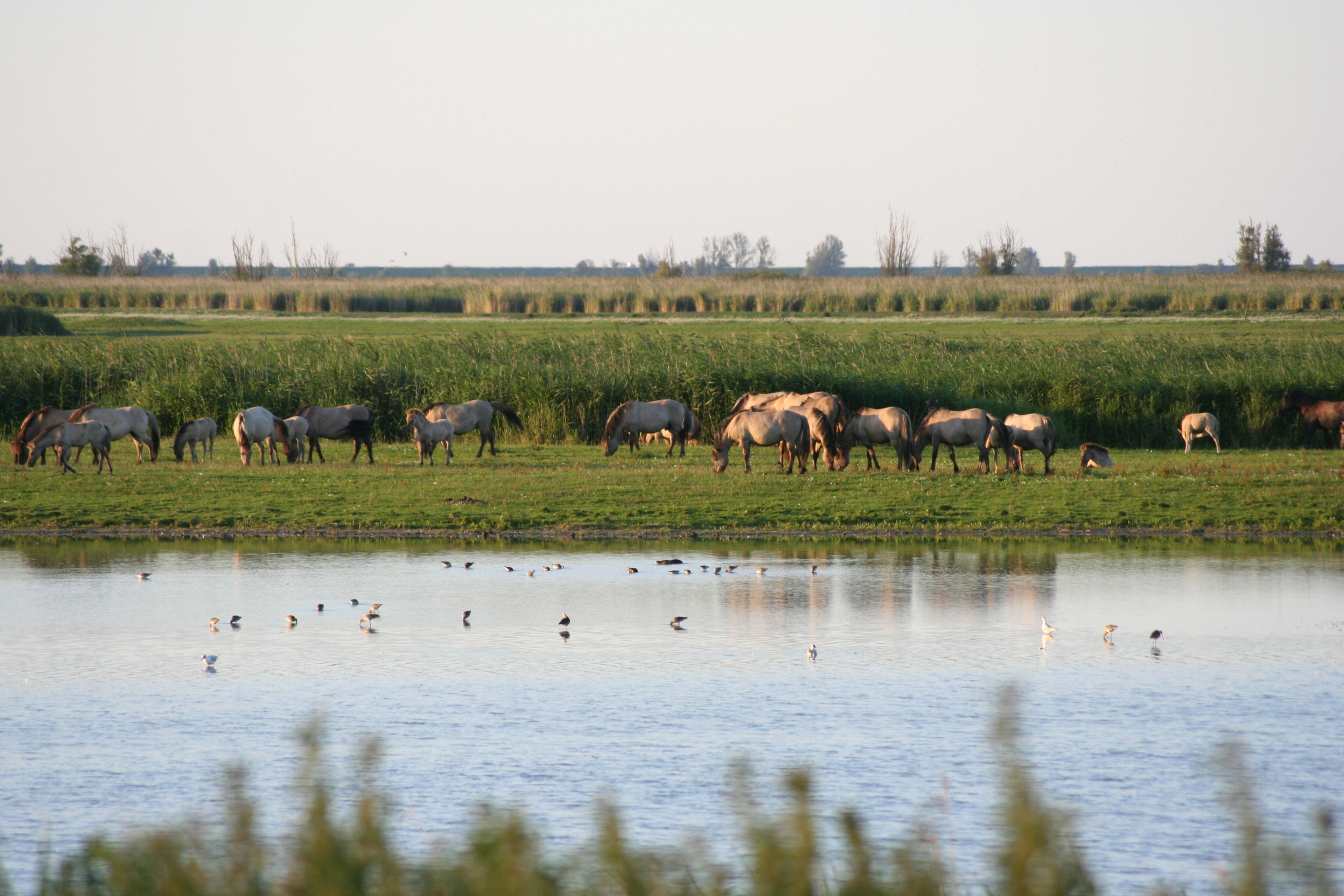
A common criticism of rewilding is the fear that without human management, vegetation will overgrow and create massive fuel loads. This is where the reintroduction of large herbivores becomes essential. Instead of continuous, even-aged expanses of flammable vegetation, often created by high-density sheep farming, diverse herds of cattle, semi-wild horses, deer, and bison graze, browse, and trample in varying patterns. This creates a "patchy" landscape filled with natural firebreaks.
A comprehensive three-year study published in 2025 in the journal Frontiers in Ecology & Evolution investigated this dynamic in Portugal’s Greater Côa Valley. Researchers found that transitioning from intensive agriculture to natural grazing by semi-wild Sorraia horses successfully reduced the height and volume of highly combustible grasses. The study concluded that introducing a mosaic of different herbivores drastically limits the fuel available for catastrophic wildfires, proving that wild animals are a highly effective, low-cost fire management tool.
Britain is one of the least wooded countries in Europe, with only 14% woodland cover, roughly half of which consists of commercial coniferous plantations. Pine trees are highly resinous, tightly packed, and notoriously flammable.
In contrast, native broadleaf trees possess a much higher moisture content. An extensive study analyzing over 26,000 wildfires in Spain proved that broadleaf woodlands carried the absolute lowest ignition risk. Even under extreme fire-weather modeling, broadleaf forests reduced fire intensity fivefold compared to pine and dry shrublands. As the renowned ecologist Oliver Rackham once noted, native English woods "burn like wet asbestos." Restoring these deciduous forests to the uplands is a critical step in fireproofing the British countryside.
Experts Joe Glentworth, Anna Gilchrist, and Ian Thornhill stress that rewilding must happen alongside the communities that live in and manage these landscapes. Transitioning from degraded moorlands to functional, fire-resistant ecosystems takes time. During this transition, intensified monitoring, early detection, and rapid professional responses are vital.
Better public warning systems and community education ensure that residents and visitors become an active part of the defense network. Ultimately, climate-smart rewilding must be viewed as essential national resilience infrastructure. Britain will not be able to prevent every dropped match or lightning strike, but by restoring bogs, rivers, broadleaf woodlands, and wild animals, it can dictate how those fires behave.
Here are verified, credible organizations and direct routes where global citizens can donate, volunteer, or advocate to support rewilding, peatland restoration, and natural wildfire defense:
Peatlands are the largest terrestrial carbon stores on earth, storing twice as much carbon as all the world's forests. When damaged, they release carbon and lose their ability to limit the spread of wildfires. You can directly fund the restoration of these natural firebreaks:
Beavers are vital for creating wet, fire-resistant landscapes. In the face of biodiversity loss, flooding, and droughts, beavers restore rivers and land. Once introduced, they begin working within days or even hours to engineer their environments, but they need logistical help to reach their new homes.
If you want to contribute your time rather than just funds, volunteering physically or digitally is a highly effective route.
The International Union for Conservation of Nature (IUCN) operates the UK Peatland Programme, which exists to promote peatland restoration and advocates for its multiple benefits through strong science, partnerships, and sound policy.
Link: Get Involved with IUCN
Environmental destruction, climate disasters, and land mismanagement are destabilizing forces that threaten global peace and community security. True stability requires us to defend the natural world that sustains us. We cannot afford to wait for reactive disaster management; we must demand proactive, nature-based solutions and structural policy shifts.
Stand with the global movement for environmental peacebuilding. Use your voice to advocate for ecological restoration, climate resilience, and diplomatic cooperation. Take action today and cast your citizen mandate on our active global initiatives at pledge4peace.org/campaigns.
Pledge4Peace.org
July 29, 2026